AI Is Already Inside the Patent Process
Artificial intelligence is no longer a future concern for IP attorneys — it is already embedded in how patents are drafted, prior art is searched, and applications are examined. Tools that generate claim language, produce technical summaries, and flag prior art have moved from experimental to mainstream within legal practices of every size. The question is no longer whether AI will affect patent prosecution; it is whether attorneys are adapting their workflows, disclosure practices, and client counsel to match the pace of that change.
USPTO AI Inventorship Guidance: The Core Rules
The USPTO has issued clear and firm guidance: AI systems cannot be named as inventors on US patent applications. Only natural persons who have made a significant contribution to the conception of the claimed invention qualify as inventors under 35 USC 101 and 35 USC 115. This applies regardless of how central the AI tool was to producing the invention. For attorneys, this creates a critical intake obligation — before drafting begins, the human inventive contribution must be clearly identified and documented. If an AI tool generated a candidate compound, a circuit design, or a process optimization, the attorney must determine which human decisions shaped, selected, directed, or refined that output in a way that constitutes inventive conception. Simply running a prompt and accepting an output is not inventorship.
The Disclosure Problem: What Must Attorneys Tell the USPTO?
The USPTO has signaled — and is expected to formalize — that material AI involvement in the inventive process may carry disclosure obligations under the duty of candor. While the precise contours of this obligation are still developing, the risk is clear: failure to disclose material information that a reasonable examiner would consider important could constitute inequitable conduct, rendering an otherwise valid patent unenforceable. Attorneys should establish standardized client intake procedures that document: which AI tools were used during the inventive process, what role those tools played in generating the claimed subject matter, and which specific human decisions constituted inventive contribution. This documentation protects both the client and the attorney if the patent is later challenged on inequitable conduct grounds.
AI-Assisted Claim Drafting: Opportunity and Risk
AI drafting tools can produce claim language at speed and volume that human drafters cannot match. For high-volume prosecution practices, this efficiency gain is real and significant. But AI-drafted claims carry specific risks that attorneys must actively manage. AI tools trained on existing patent corpora tend to produce claim language that mirrors prior art — meaning claims that appear well-formed may actually be narrower than necessary or may inadvertently disclaim scope the client needs. AI tools also lack the judgment to understand the client's commercial landscape, competitive environment, or litigation posture. Every AI-assisted draft must be reviewed by a qualified attorney who understands not just whether the claims are patentable, but whether they are worth enforcing. The attorney's role shifts from drafter to strategic reviewer — a shift that requires deliberate process change, not just a new tool subscription.
AI in Patent Examination: What Applicants Should Expect
Patent offices including the USPTO and EPO are actively piloting and deploying AI-assisted examination tools. These tools improve prior art search breadth and consistency — meaning examiners are identifying more relevant prior art, faster, and across a wider range of databases including non-patent literature. For applicants, this means claim language that might have survived examination five years ago is now more likely to be cited against. Specification support for claim terms is being scrutinized more carefully. The practical response for prosecution teams is to front-load specification quality — ensure every claim term is well-defined, every embodiment is clearly described, and the description of the invention is robust enough to support claim amendments during prosecution without adding new matter.
AI and Patent Drawings: A Compliance Caution
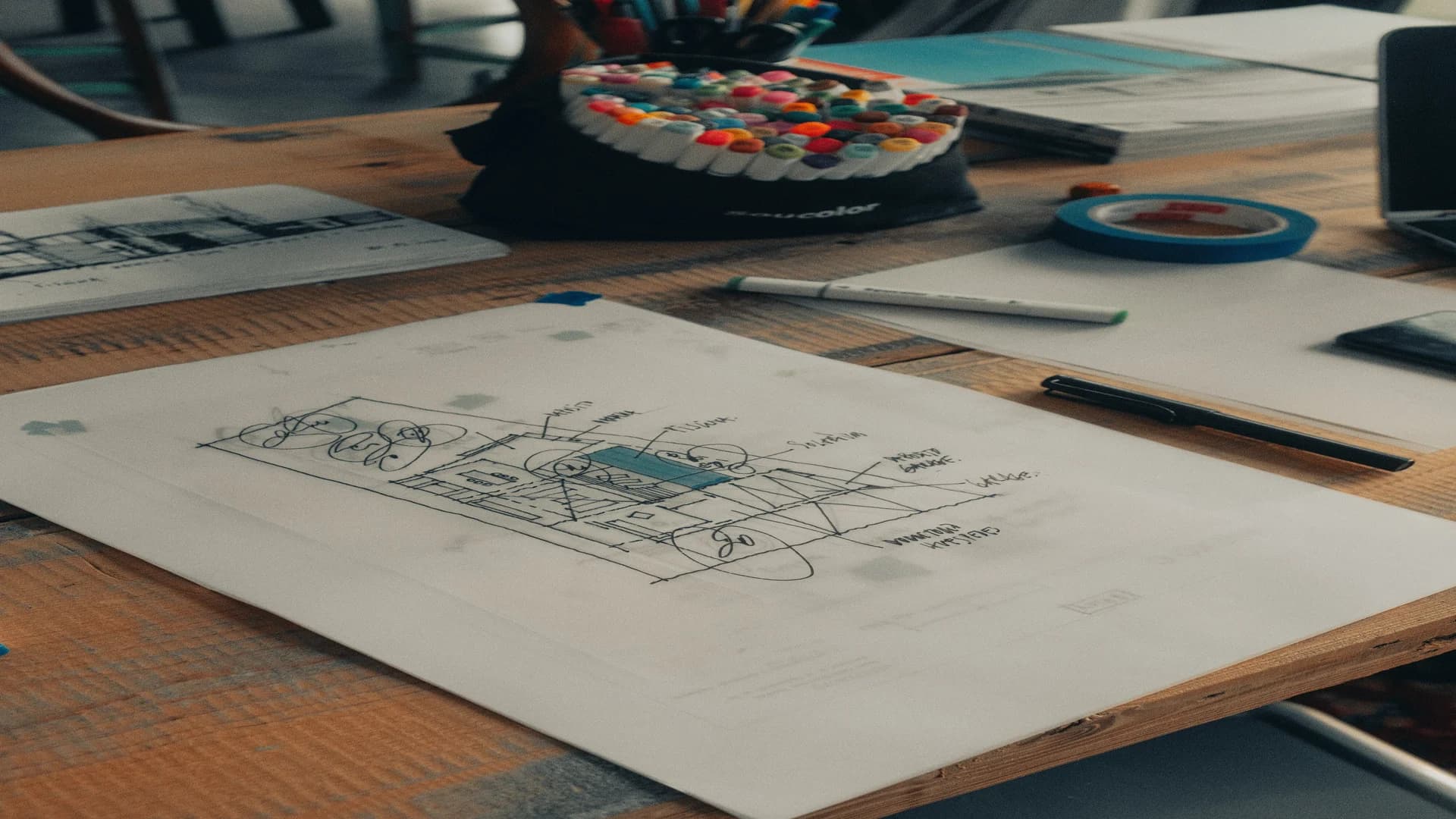
A growing number of practitioners are exploring AI-generated images as a shortcut for patent drawings. This approach carries significant compliance risk. AI-generated images are not inherently compliant with USPTO Rule 84, EPO Rule 46, or PCT Rule 11 requirements. They frequently produce drawings with incorrect line weights, informal shading, inconsistent reference numeral placement, and missing required views. Patent drawings are legal documents — their function is to define the scope of protection, not to illustrate the invention attractively. Submitting AI-generated images as formal patent drawings without professional review and correction for jurisdictional compliance is a shortcut that routinely produces office actions and, in some cases, prosecution delays that far exceed the time saved. Professional patent illustration — prepared by specialists who know the formal requirements of each jurisdiction — remains the standard that protects the prosecution timeline.
Practical Steps for IP Attorneys Navigating AI
Attorneys should take the following concrete steps now. First, establish a written AI use policy for your practice that covers which tools are approved, how AI-assisted work must be reviewed, and how client confidentiality is protected when using cloud-based AI tools. Second, implement an inventorship intake checklist specifically for AI-assisted inventions that documents human contributions before drafting begins. Third, train prosecution teams on the difference between AI as a drafting assistant versus AI as an inventor — the former is a workflow tool, the latter is a legal fiction. Fourth, review your NDA and engagement letter templates to ensure they address AI tool use and data handling. Fifth, stay current on USPTO, EPO, and WIPO guidance as it evolves — this area is moving quickly and the formal rules are still being written.
Frequently Asked Questions
Can AI be listed as a co-inventor on a US patent? No. The USPTO requires all inventors to be natural persons. An AI system cannot hold inventorship rights under current US law, regardless of its contribution to the invention. Does using AI to draft claims require disclosure to the USPTO? The USPTO has not yet issued a final rule mandating disclosure of AI-assisted drafting tools in all cases, but the duty of candor applies broadly. If AI involvement is material to the claimed invention — not merely a drafting tool — disclosure may be required. Attorneys should document AI use and seek guidance on a case-by-case basis. Are AI-generated patent drawings acceptable for USPTO filing? Not without professional review and correction for compliance with 37 CFR 1.84. AI-generated images are not inherently compliant and frequently produce formal objections. Professional patent illustration remains the correct standard. How is LexVuIP helping attorneys navigate AI-era prosecution? LexVuIP provides professionally prepared, jurisdiction-compliant patent drawings across 46+ technical fields — ensuring that regardless of how claims are drafted or what tools are used upstream, the formal drawing requirements that protect prosecution timelines are met to the highest standard.